
Introduction
At the very end of Vietnam’s map, where the land tapers into the sea, lies Cape Ca Mau (Mũi Cà Mau) – the southernmost tip of the country. For Vietnamese, it is not just a geographic destination but a sacred land symbolizing unity from north to south. For travelers, Cape Ca Mau represents the perfect combination of natural beauty, eco-diversity, and cultural pride.
In 2025, Cape Ca Mau is expected to welcome record numbers of visitors thanks to upgraded infrastructure, expanded eco-tourism programs, and its reputation as one of Vietnam’s most iconic travel spots.
Why Cape Ca Mau is Special
- Geographical significance: The only place in Vietnam where you can watch the sunrise over the East Sea and sunset over the Gulf of Thailand.
- National symbolism: The landmark GPS 0001 milestone and Vietnam Flag Tower embody national pride.
- UNESCO recognition: The Ca Mau mangrove forest is part of a UNESCO Biosphere Reserve.
- Adventure appeal: Reaching the “end of the country” feels like completing a pilgrimage.
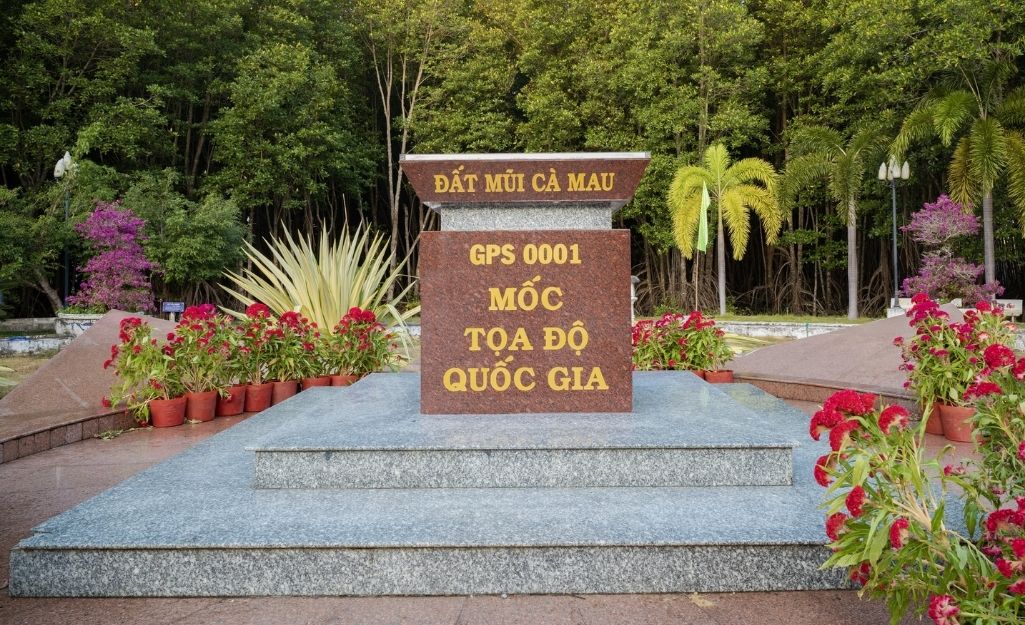
Alt text image: “Tourists posing at the GPS 0001 landmark at Cape Ca Mau”
Keywords: Cape Ca Mau tour 2025, Vietnam southernmost point, Ca Mau eco-tourism.
GPS 0001 National Milestone
A symbolic granite marker engraved with “GPS 0001” is a must-photo spot for every visitor. Standing here, travelers feel a deep connection to Vietnam’s geography and identity.
Alt text image: “Vietnamese flag flying high at GPS 0001, Cape Ca Mau”
Keywords: GPS 0001 Ca Mau, Vietnam national milestone, southern landmark.
Vietnam Flag Tower
A tall flag tower proudly waving the national flag serves as a reminder of Vietnam’s unity from North to South. It’s also a panoramic viewpoint to see mangroves stretching to the horizon.
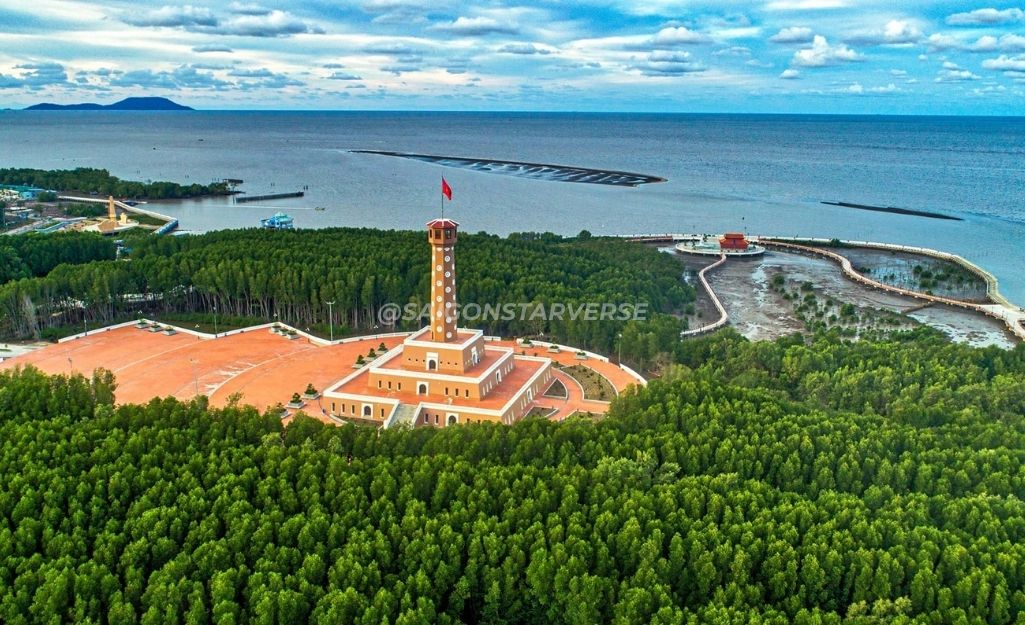
Ca Mau Cape Monument
A giant ship-shaped monument points to the sea, symbolizing Vietnam’s maritime heritage. It has become an iconic photo spot for tourists.

Mangrove Forest Ecosystem
Ca Mau is home to one of the largest mangrove forests in the world. Recognized by UNESCO, it shelters hundreds of species of birds, fish, and crustaceans. Eco-tours include:
- Boat rides through mangrove canals.
- Bird-watching excursions.
- Educational programs on biodiversity.
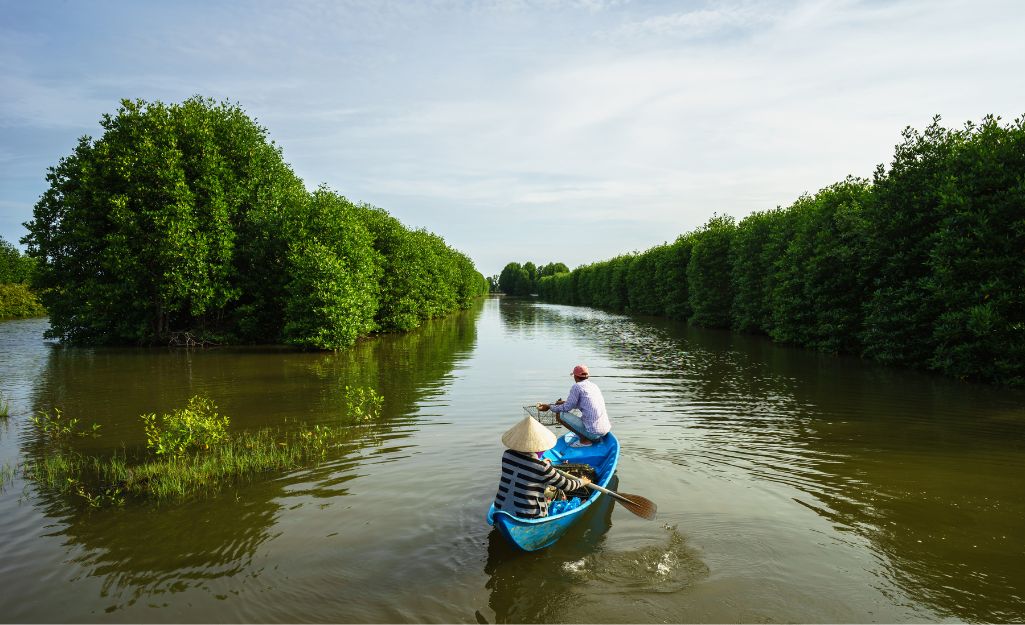
Eco-Tourism in Cape Ca Mau 2025
The government and local communities have worked together to develop sustainable tourism:
- Solar-powered boats to reduce pollution.
- Homestays offering authentic meals like crab hotpot and fermented fish soup.
- Community projects where tourists plant mangrove trees as part of reforestation programs.
- Environmental education for students and international visitors.
Alt text image: “Tourists planting mangroves in Ca Mau eco-tour program”
Keywords: Ca Mau eco-tour 2025, sustainable tourism Vietnam, mangrove planting tour.
Cultural Experiences at Cape Ca Mau
- Local seafood cuisine: Fresh shrimp, crabs, and mudskippers cooked in traditional Southern style.
- Don Ca Tai Tu performances: Folk music played during community gatherings.
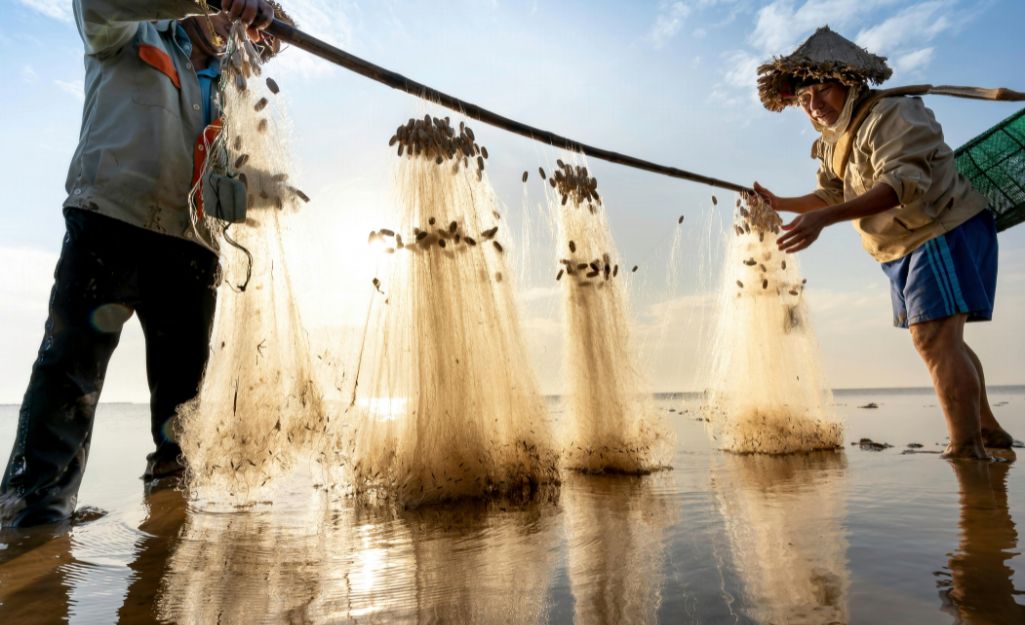
- Fishermen’s lifestyle: Watching locals cast nets, raise shrimp, and navigate narrow canals.
- By road: New expressways connect Ho Chi Minh City to Ca Mau in 6 hours. From Ca Mau City, it’s 120 km to Cape Ca Mau.
- By boat: Speedboats run from Ca Mau City to Cape Ca Mau through mangrove channels.
- By air: Flights from Ho Chi Minh City to Ca Mau Airport, then continue by car or boat.
Alt text image: “Highway leading through Ca Mau countryside to the Cape”
Keywords: how to get to Cape Ca Mau, travel to southern Vietnam.
Who Should Visit Cape Ca Mau?
- Patriotic Vietnamese travelers: A meaningful pilgrimage to the end of the country.
- Eco-tourists: Ideal for those seeking biodiversity and sustainable travel.
- Families & students: Educational experiences for children.
- International tourists: A unique opportunity to stand at Vietnam’s southern tip.
Alt text image: “Family posing at Cape Ca Mau monument”
Travel Tips
- Best season: Dry season (December–April) with pleasant weather.
- Bring mosquito repellent and sunscreen.
- Stay overnight in Ca Mau City or eco-lodges near the cape.
- Book tours with licensed operators for safety.
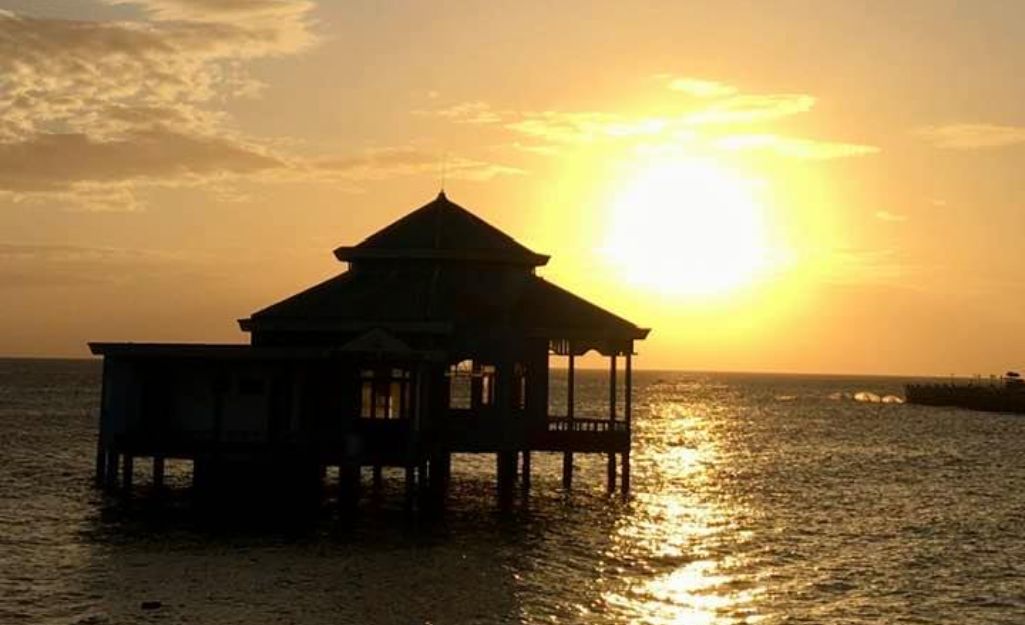
Alt text image: “Tourists enjoying sunset at Cape Ca Mau”
Keywords: Cape Ca Mau travel tips, Ca Mau sunset view, Vietnam eco-lodge.
FAQs
FAQs
-
Q: How long to explore Cape Ca Mau?
A: Most tours last 1 full day, often combined with nearby attractions.
-
Q: Is Cape Ca Mau family-friendly?
A: Yes, with safe boat rides and kid-friendly eco-activities.
-
Q: Is Cape Ca Mau family-friendly?
A: Yes, with safe boat rides and kid-friendly eco-activities.
Conclusion – The Sacred Land at Vietnam’s End
Cape Ca Mau is more than a dot on the map. It is a place where nature, culture, and patriotism blend into one unforgettable journey. Standing at GPS 0001, gazing at mangroves stretching endlessly into the sea, visitors understand why this land is so sacred to Vietnamese people.
In 2025, with eco-tourism programs and improved accessibility, Cape Ca Mau is not only a must-see destination but also a symbol of sustainable and cultural tourism in Vietnam.
📞 Hotline/Zalo/WhatsApp: +84 775 613 768
📧 Email: admin@saigonstarverse.com
🌐 Website: www.saigonstarverse.com